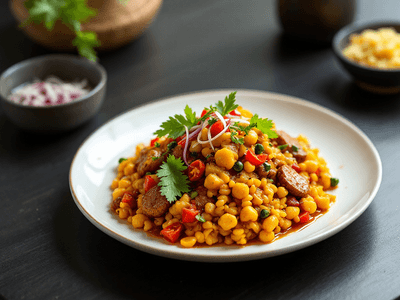
Tapalapa
Breakfast • Africa
About Tapalapa
Dense West-African millet-wheat baguette baked in wood ovens.
How to Make Tapalapa (Traditional & Healthy Version)
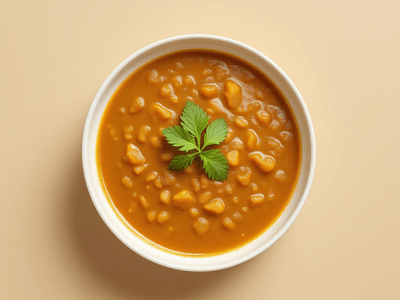
Tapalapa is a beloved West African bread, commonly enjoyed in The Gambia and Senegal. This hearty, crusty bread is an essential part of breakfast tables across West Africa, often served with beans, avocado, or local jams. Made with a blend of wheat and millet flours, Tapalapa brings together the wholesome flavors of native African grains, making it a staple that reflects the region’s agricultural traditions. The taste of Tapalapa is rustic and satisfying, with a slightly nutty note from millet and a firm crust that pairs beautifully with savory or sweet spreads. Its dense texture makes it filling, perfect for starting the day with sustained energy. Tapalapa is more than just bread; it’s a symbol of community, often baked fresh in local wood-fired ovens and shared among neighbors. This healthy, vegan-friendly recipe captures the authentic spirit of African cuisine while being mindful of nutrition, making it a fantastic choice for anyone seeking a genuine taste of Africa.
Ingredients(for 1 medium loaf or 2 thick slices)
- 1 cup Whole wheat flour
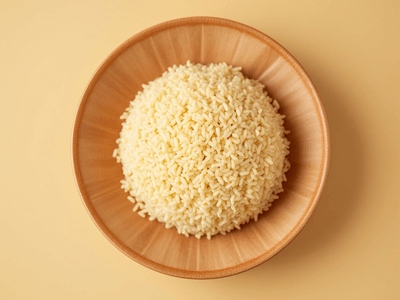
- 1/2 cup Millet flour (also called findo)
- 1/4 cup Cornmeal
- 1 teaspoon Active dry yeast
- 3/4 cup Warm water (about 40°C)
- 1/2 teaspoon Salt
- 1 teaspoon Sugar (for yeast activation)
- 1 tablespoon Olive oil (optional, for softer crumb) - optional
- as needed Extra flour (for dusting) - optional
Instructions
- 1
In a large bowl, combine the warm water, sugar, and yeast. Stir gently and let the mixture sit until foamy, about 5 minutes.
5 minutes
Make sure the water is not too hot to avoid killing the yeast.
- 2
Add the whole wheat flour, millet flour, cornmeal, and salt to the yeast mixture. Mix until a shaggy dough forms.
3 minutes
Use a wooden spoon or your hands for best results.
- 3
Knead the dough on a lightly floured surface for 8-10 minutes, until smooth and elastic. Add olive oil if using, and knead to incorporate.
10 minutes
If the dough is sticky, sprinkle with a little extra flour.
- 4
Place the dough in a clean bowl, cover with a damp cloth, and let it rise in a warm place for 1 hour or until doubled in size.
60 minutes
Letting the dough rise sufficiently creates a lighter loaf.
Why This Dish is Healthy
This healthy Tapalapa recipe uses whole grains and minimal added fat, supporting heart health and digestive wellness. The use of millet flour lowers the glycemic load, making it friendlier for blood sugar management. It is free from dairy and eggs, making it suitable for plant-based diets and those seeking lower-cholesterol options. Its high fiber content promotes satiety, aiding weight management.
Tapalapa is rich in complex carbohydrates from whole wheat and millet flours, providing lasting energy and dietary fiber. Millet adds essential minerals like magnesium, phosphorus, and iron, while wheat flour offers B vitamins. The bread is naturally low in fat and contains plant-based protein, making it suitable for vegan and vegetarian diets. This recipe is cholesterol-free and can be adapted for different caloric needs by adjusting the serving size.
Pro Tips
- 💡Use freshly milled millet flour for the most authentic flavor.
- 💡Letting the dough rise fully creates a lighter, airier loaf.
- 💡Bake with steam in the oven for an extra-crusty exterior.
Storage & Serving
Store cooled Tapalapa in an airtight container at room temperature for up to 2 days. For longer storage, freeze slices in a sealed bag for up to 1 month. Reheat in the oven for best texture.
Best served: Breakfast or Lunch
Nutrition Facts
| Nutrient | Per 100g |
|---|---|
| Energy | 235.0 kcal |
| Protein | 7.0 g |
| Carbohydrates | 42.0 g |
| Total Fat | 3.0 g |
| Fiber | 3.0 g |