Ndagala
All Foods • Africa
About Ndagala
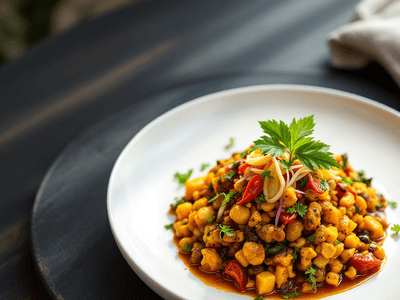
Tiny Lake Tanganyika sardines sun-dried then fried with tomato.
How to Make Ndagala (Traditional & Healthy Version)
Ndagala is a beloved East African dish featuring small, silvery lake fish, most notably sourced from Lake Victoria and Lake Tanganyika. Often referred to as 'dagaa' or 'silver cyprinid,' Ndagala is a nutritious and protein-rich staple in regions such as Tanzania, Uganda, and parts of Kenya. Traditionally, these tiny fish are sun-dried and then pan-fried or gently simmered in a savory tomato sauce, infusing the dish with robust flavors while preserving its nutritional integrity. This authentic Ndagala recipe celebrates the simplicity and health benefits of African lake fish cuisine. The dish is known for its light yet satisfying taste, complemented by aromatic spices and fresh vegetables. Ndagala offers an excellent source of lean protein and essential omega-3 fatty acids. Enjoyed with ugali (maize porridge) or steamed green vegetables, Ndagala is not only culturally significant but also a smart choice for those seeking a wholesome and balanced meal. Its easy preparation and rich taste make Ndagala a wonderful option for anyone looking to explore traditional African flavors in a healthy way.
Ingredients(for 1 medium plate with fish and sauce)
- 1 cup Ndagala (small dried lake fish) (also called dagaa; cleaned and rinsed)
- 1 medium Onion (finely chopped)
- 2 medium Tomatoes (chopped)
- 2 Garlic cloves (minced)
- 1 small Green bell pepper (chopped)
- 1 tablespoon Sunflower oil (or other light oil)
- 1/2 teaspoon Salt (to taste)
- 1/4 teaspoon Black pepper (freshly ground)
- 1 tablespoon Lemon juice (freshly squeezed)
- 2 tablespoons Fresh coriander (chopped, for garnish) - optional
Instructions
- 1
Rinse the Ndagala (dried fish) in cold water to remove excess salt and any impurities. Drain thoroughly.
3 minutes
Soak for 2-3 minutes if the fish is very salty.
- 2
Heat sunflower oil in a non-stick pan over medium heat. Add the chopped onions and sauté until translucent.
3 minutes
Keep onions moving to avoid burning.
- 3
Add minced garlic and chopped green bell pepper. Stir-fry for another 2 minutes until fragrant.
2 minutes
Use fresh garlic for optimal flavor.
- 4
Add the chopped tomatoes and cook until they soften and form a thick sauce, about 5 minutes.
5 minutes
Mash tomatoes gently to help them break down.
Why This Dish is Healthy
This Ndagala recipe is healthy because it uses minimal oil, lean fish, and a variety of fresh vegetables. The fish provides high-quality protein and beneficial fats, while the vegetables add fiber and nutrients without excess calories. The dish is free from added sugars and can easily be adapted to fit weight loss or diabetic-friendly diets by serving with low-GI sides. It’s a balanced meal that supports overall wellness.
Ndagala is an excellent source of lean protein, healthy omega-3 fatty acids, calcium, and essential minerals such as iron and zinc. The inclusion of tomatoes, onions, and bell peppers boosts the dish's fiber, vitamins A and C, and antioxidants. Sunflower oil is used sparingly to reduce saturated fat, making this a heart-friendly meal. Eating Ndagala supports muscle growth, bone health, and immune function.
Pro Tips
- 💡Tip 1: Rinse dried Ndagala thoroughly to remove excess salt and sand.
- 💡Tip 2: Use ripe tomatoes for a naturally sweet and flavorful sauce.
- 💡Tip 3: Add a pinch of chili if you prefer a spicy kick.
Storage & Serving
Store leftover cooked Ndagala in an airtight container in the refrigerator for up to 2 days. Reheat gently on the stove or in the microwave, adding a splash of water if needed to refresh the sauce.
Best served: Lunch
Nutrition Facts
| Nutrient | Per 100g |
|---|---|
| Energy | 175.0 kcal |
| Protein | 22.0 g |
| Carbohydrates | 4.0 g |
| Total Fat | 8.0 g |
| Fiber | 0.5 g |