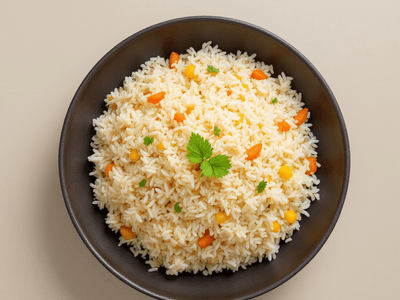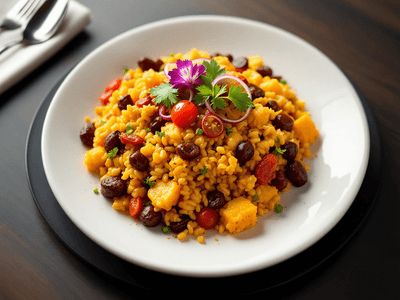
Ubugali
All Foods • Africa
About Ubugali
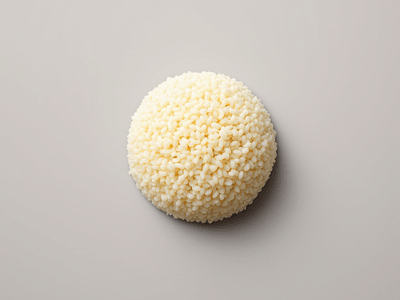
Burundian thick maize-flour paste eaten with greens or fish.
How to Make Ubugali (Traditional & Healthy Version)
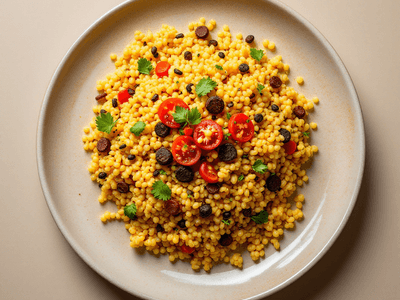
Ubugali is a classic East African staple, cherished across countries like Tanzania, Kenya, and Uganda. Known for its simplicity and versatility, this dish is made from maize flour and water, resulting in a dense, dough-like accompaniment for vegetable stews, leafy greens, and protein-rich sauces. The preparation of Ubugali is a communal affair, often bringing families together as it’s stirred with strength and served hot from the pot. The flavor of Ubugali is mild, allowing it to perfectly complement a variety of flavorful African dishes. It’s not only filling but also budget-friendly, making it a daily food for many African households. Embracing Ubugali in your diet provides a taste of authentic African cuisine and a cultural connection to the heart of East Africa. Its gluten-free, plant-based ingredients make it suitable for vegan and vegetarian diets, and its simplicity allows for easy adaptation into a health-conscious meal.
Ingredients(for 1 medium ball (about 250g) per person)
- 2 cups Maize flour (cornmeal) (Also called 'sembe' or 'posho')
- 3 cups Water (Filtered)
- 1/2 teaspoon Salt (Optional, for flavor) - optional
- 1/2 cup Millet flour (For added fiber and minerals) - optional
- 1/4 cup Cassava flour (For smoother texture) - optional
- 1 teaspoon Vegetable oil (For greasing hands when shaping) - optional
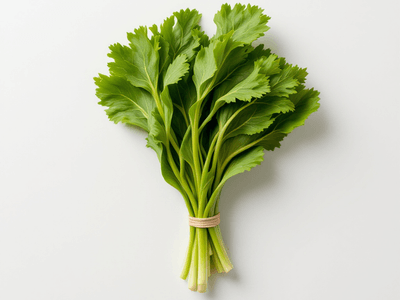
- 1 cup Chopped spinach (Served as a side) - optional
- 1 cup Chopped kale (Served as a side) - optional
- 2 Lemon wedges (For serving) - optional
Instructions
- 1
Bring 3 cups of water to a boil in a large, heavy-bottomed saucepan.
5 minutes
Use a wooden spoon for easy stirring and to avoid sticking.
- 2
Gradually add 1 cup of maize flour to the boiling water, stirring continuously to avoid lumps.
3 minutes
Sprinkle the flour slowly and stir vigorously for a smooth texture.
- 3
Reduce the heat to medium. Continue stirring and, as the mixture thickens, add the remaining maize flour bit by bit. Optionally, mix in millet and cassava flour for enhanced nutrition.
5 minutes
Add flour in small amounts to control the consistency.
- 4
Continue stirring with a wooden spoon until the mixture pulls away from the sides and forms a dense, smooth dough.
4 minutes
If the mixture is too stiff, add a splash of hot water and mix well.
Why This Dish is Healthy
This dish is a healthy choice because it’s made from whole grains, is free from added sugars, and is naturally gluten-free when using pure maize flour. It is easily digestible, supports digestive health due to its fiber content, and keeps you full for longer, aiding in weight management. Ubugali’s plant-based nature aligns well with modern clean eating trends.
Ubugali is naturally low in fat and contains complex carbohydrates, providing sustained energy. When prepared with millet or cassava flour, it adds more fiber, magnesium, and essential minerals. Pairing Ubugali with leafy greens boosts vitamin A, C, and iron content, making it a nutrient-dense meal suitable for vegan and vegetarian diets.
Pro Tips
- 💡Tip 1: Stir continuously to prevent lumps and achieve a smooth texture.
- 💡Tip 2: Adjust the flour-to-water ratio depending on your preferred consistency.
- 💡Tip 3: Always use a heavy-bottomed pot to prevent burning.
Storage & Serving
Store leftover Ubugali in an airtight container in the refrigerator for up to 2 days. Reheat by steaming or microwaving with a sprinkle of water to restore softness.
Best served: Breakfast or Lunch
Nutrition Facts
| Nutrient | Per 100g |
|---|---|
| Energy | 135.0 kcal |
| Protein | 3.0 g |
| Carbohydrates | 28.0 g |
| Total Fat | 1.0 g |
| Fiber | 1.0 g |