Liberian Collards
All Foods • Africa
About Liberian Collards
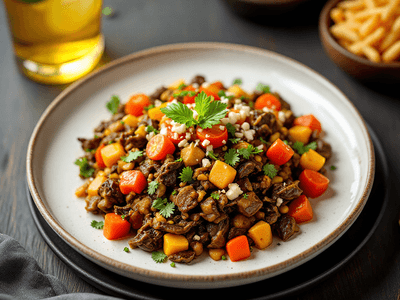
Liberian collards braised with smoked turkey and bouillon.
How to Make Liberian Collards (Traditional & Healthy Version)
Liberian Collards is a celebrated side dish in West Africa, renowned for its deep, savory flavors and nutrient-rich profile. Collard greens, known locally as 'bitterleaf' or simply 'collards,' are slow-cooked with lean meats, aromatic vegetables, and a blend of traditional spices. This dish is a staple at family gatherings and festive occasions across Liberia, appreciated for its wholesome ingredients and heartwarming taste. The combination of tender collard greens and a modest amount of protein creates a satisfying, well-balanced side that complements many African mains. Liberian Collards stands out for its earthy, slightly bitter notes tempered by the richness of lean meats and the fragrance of onions, tomatoes, and native spices. The recipe respects authentic West African techniques while focusing on health-conscious preparation—making it ideal for those tracking calories or seeking nourishing, home-cooked food. When served with steamed rice, fufu, or plantains, Liberian Collards brings a taste of Africa's vibrant culinary heritage to any table.
Ingredients(for 1 cup cooked collards with meat and vegetables)
- 4 cups Fresh collard greens (chopped, known as 'bitterleaf')
- 100g Skinless chicken breast (diced, or substitute lean beef)
- 1 medium Onion (finely chopped)
- 1 large Roma tomato (diced)
- 1 tablespoon Palm oil (traditional, or use canola for lighter version)
- 1 Fresh chili pepper (minced, adjust to taste) - optional
- 2 Garlic cloves (minced)
- 30g Smoked fish (optional, for traditional flavor) - optional
- 1/2 teaspoon Salt (to taste)
- 1/4 teaspoon Ground black pepper (to taste)
Instructions
- 1
Thoroughly wash the collard greens in cold water, then chop into bite-sized pieces. If using smoked fish, debone and flake it.
5 minutes
Soak greens briefly to reduce bitterness if desired.
- 2
Heat the palm oil in a deep skillet over medium heat. Add chopped onions and sauté until translucent.
3 minutes
Stir constantly to prevent burning and develop flavor.
- 3
Add minced garlic, chili pepper, and diced tomato to the skillet. Cook until tomatoes soften and mixture becomes fragrant.
3 minutes
Use ripe, fresh tomatoes for best taste.
- 4
Stir in the diced chicken breast and cook until lightly browned on all sides.
4 minutes
Cut meat into small pieces for quicker, even cooking.
Why This Dish is Healthy
This recipe prioritizes nutrient-dense ingredients such as leafy greens and lean protein, while minimizing excess fat and calories. Palm oil is used sparingly for authentic flavor, but can be replaced with heart-healthy oils for a lighter version. The dish is naturally gluten-free and can be adapted for various diets, making it a wholesome choice for anyone seeking a healthy African side dish.
Liberian Collards is rich in dietary fiber, vitamins A, C, and K from the collard greens, and lean protein from chicken or fish. The dish is low in carbohydrates and uses minimal oil, making it suitable for calorie-conscious eaters. Collard greens provide antioxidants and minerals like calcium and iron, supporting immune and bone health. The inclusion of fresh vegetables adds phytonutrients, while using lean meats keeps the saturated fat content low.
Pro Tips
- 💡Tip 1: Use fresh, young collard greens for a more tender texture and milder flavor.
- 💡Tip 2: Add a squeeze of lemon juice before serving to brighten the flavors.
- 💡Tip 3: For extra depth, simmer with a bay leaf or a touch of ground crayfish.
Storage & Serving
Store leftovers in an airtight container in the refrigerator for up to 3 days. Reheat gently on the stove or in the microwave. Add a splash of water if needed to prevent drying out.
Best served: Breakfast or Lunch
Nutrition Facts
| Nutrient | Per 100g |
|---|---|
| Energy | 95.0 kcal |
| Protein | 6.0 g |
| Carbohydrates | 7.0 g |
| Total Fat | 5.0 g |
| Fiber | 4.0 g |